
As an Amazon Associate I earn from qualifying purchases.
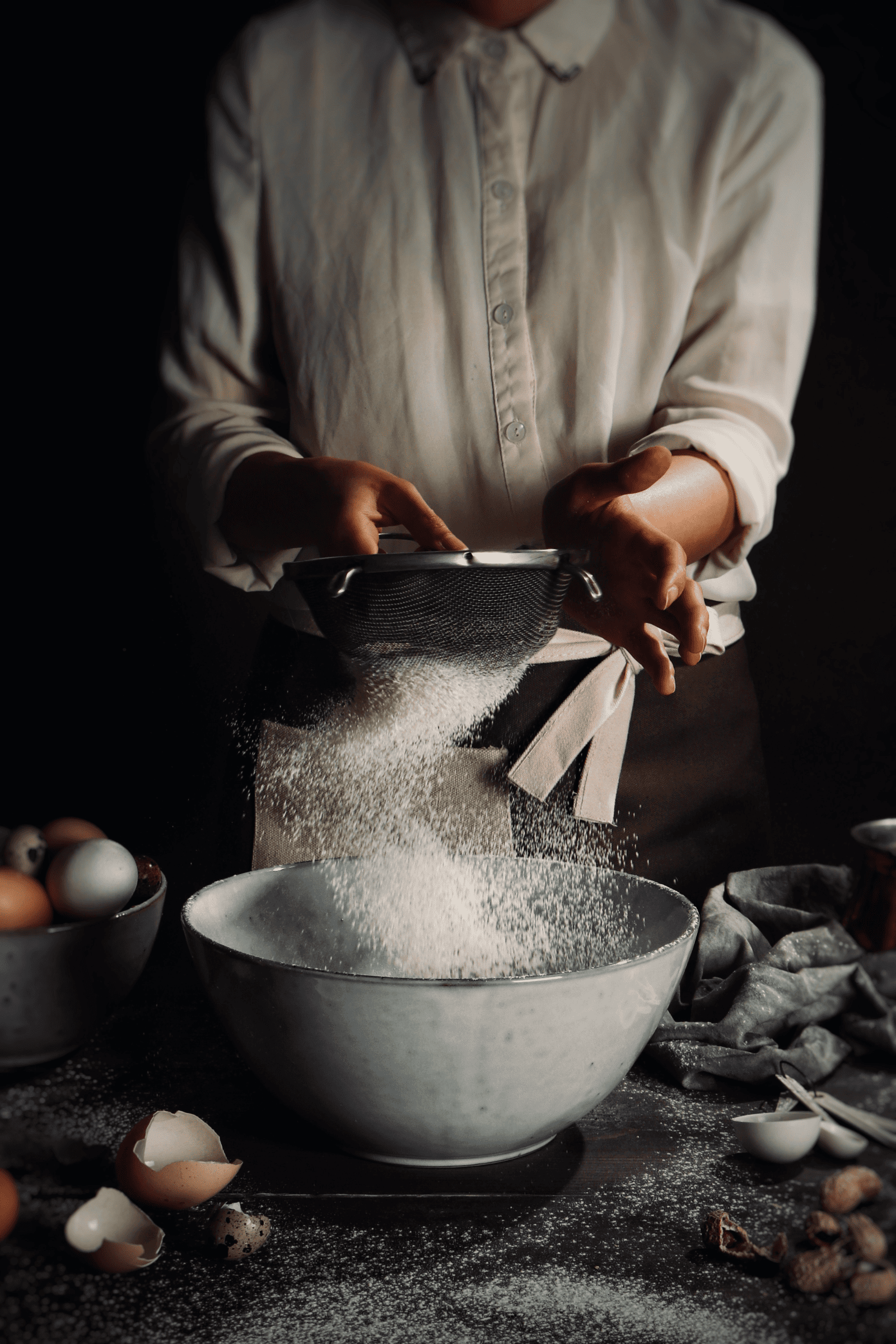
Flour shapes the foundation of nearly every baked recipe. Bakers often choose between several types, but two stand out for distinct purposes: bread flour and cake flour. Many home bakers feel confused when recipes call for specific flour types. Understanding how each flour behaves can transform your baking results.
The comparison of bread flour vs cake flour matters because each delivers unique textures and structures. Bread flour creates strength and chewiness. Cake flour produces softness and tenderness. Choosing the wrong one can ruin texture, even if everything else seems correct.
If you’re still exploring which flour works best for different baking styles, The Best Flour for Bread: A Complete Guide offers a helpful overview focused specifically on bread making.
This guide explains their differences in depth. You will also learn how to substitute them, store them, and use them like a pro.
What Is Bread Flour?
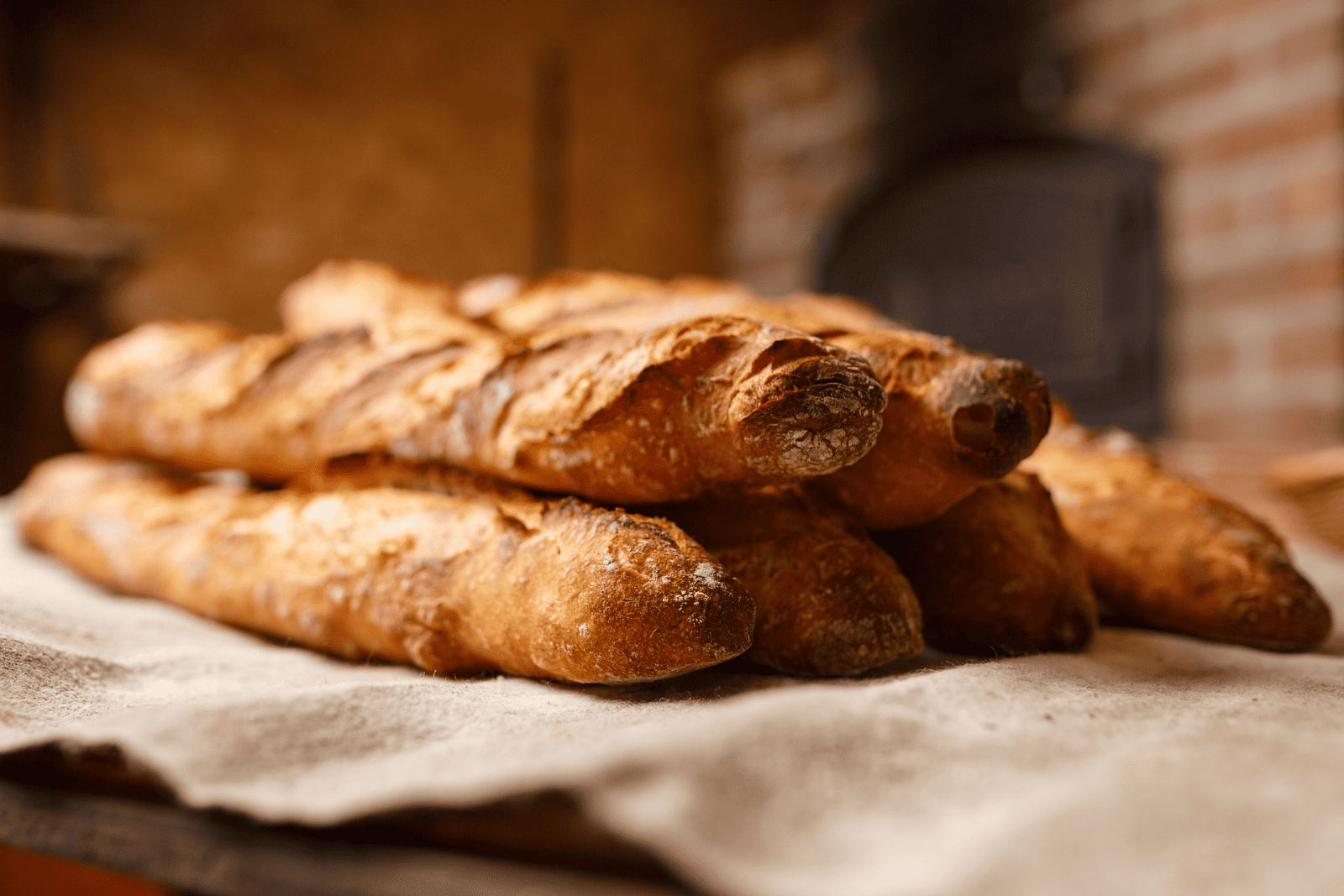
Bread flour comes from hard wheat varieties. Farmers grow these grains for strength and high protein content. This type of flour contains about 12% to 14% protein, which plays a key role in baking performance.
Protein in bread flour forms gluten when mixed with water. Gluten acts like a network that holds dough together. It gives dough elasticity and allows it to stretch without breaking. This quality helps bread rise and maintain its shape during baking.
When yeast ferments dough, it releases carbon dioxide gas. The gluten network traps this gas inside the dough. This process creates air pockets that give bread its light and airy structure. Without strong gluten, the gas would escape and the bread would turn dense.
Bread flour also absorbs more water than lower-protein flours. This higher absorption supports better hydration in dough. Well-hydrated dough leads to improved texture and a more open crumb structure. It also makes the dough easier to handle during kneading and shaping.
📌 Quick Definition:
Bread flour is a high-protein flour made from hard wheat, designed to create strong gluten and chewy baked goods.
The texture of bread flour feels slightly coarse compared to softer flours. Millers process it in a way that preserves its protein content. Most bread flour remains unbleached, which keeps its natural color and composition intact. Some brands offer enriched versions with added nutrients like iron and B vitamins.
Bakers often choose bread flour for recipes that require structure and chewiness. It works well in artisan loaves, sourdough bread, baguettes, and pizza dough. It also performs well in recipes that need long fermentation times because it maintains strength over time.
Kneading plays an important role when working with bread flour. Proper kneading develops gluten and improves dough elasticity. Under-kneaded dough may not rise properly. Over-kneading can make the dough too tight, so balance matters.
Bread flour also supports crust development. It helps create a crisp outer layer while keeping the inside soft. This contrast makes bread more enjoyable to eat.
What Is Cake Flour?
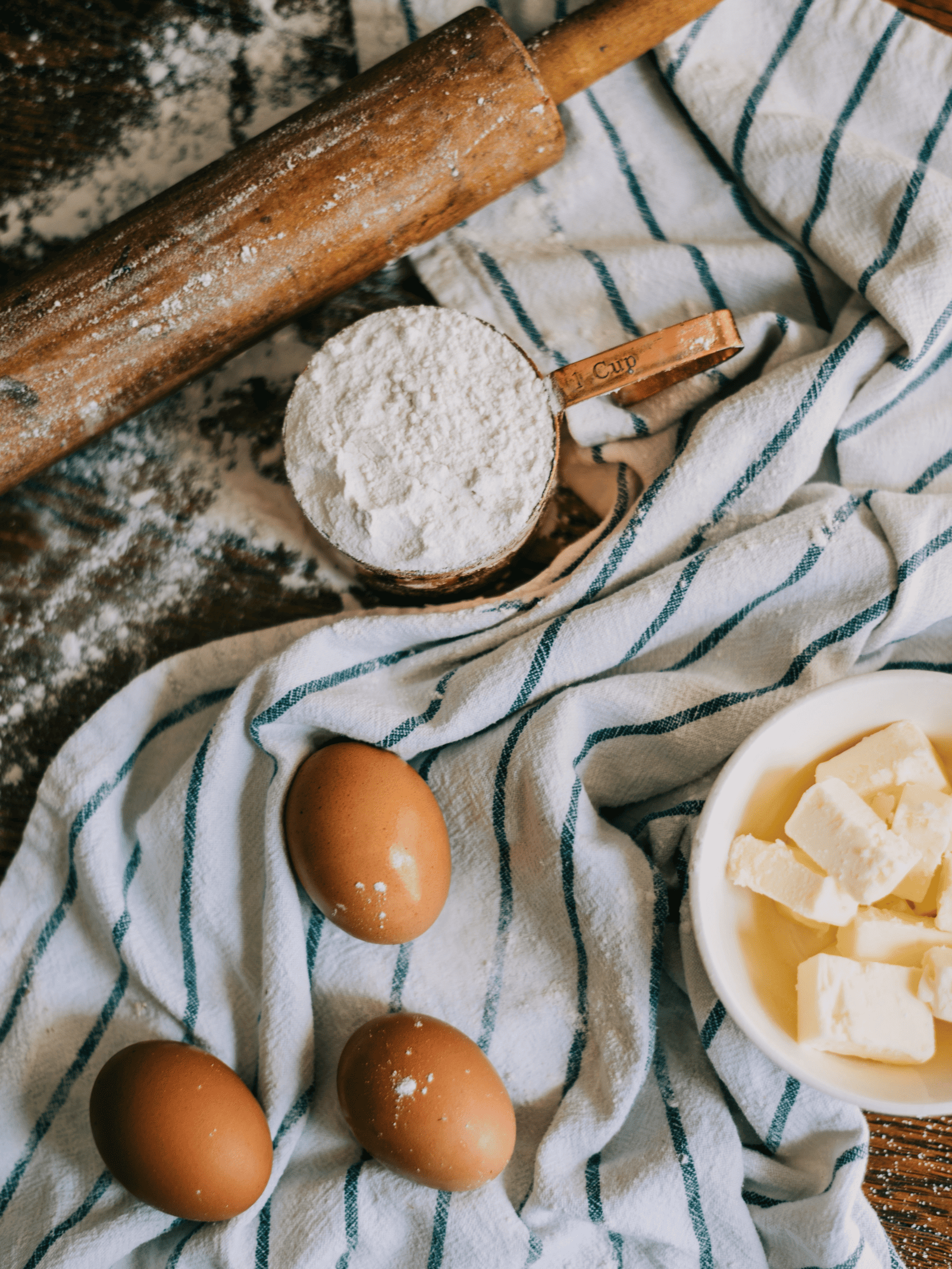
Cake flour comes from soft wheat varieties. Farmers select these grains for their low protein content and fine texture. This flour usually contains about 7% to 9% protein, which makes a noticeable difference in baking results.
Low protein means less gluten formation. Gluten develops when flour mixes with liquid and undergoes mixing. With cake flour, the limited gluten keeps baked goods soft and tender. This quality makes it ideal for delicate recipes that require a light texture.
Cake flour goes through a very fine milling process. The particles become smaller and more uniform than other flours. This fine consistency allows the flour to blend smoothly into batters. It also helps create a consistent crumb in finished cakes.
Most cake flour undergoes a bleaching process. This step changes the flour’s structure and slightly increases its acidity. The altered structure helps the flour absorb liquid more evenly. It also improves how the flour interacts with sugar and fats in a recipe.
Cake flour produces baked goods with a soft, delicate crumb. The texture feels light and almost airy. This makes it perfect for sponge cakes, chiffon cakes, and layered desserts. It also works well for cupcakes that need a fluffy bite.
Mixing technique matters when using cake flour. Gentle mixing prevents unnecessary gluten development. Overmixing can still create toughness, even with low protein flour. Keeping the batter light helps maintain the desired softness.
Cake flour also absorbs less liquid than bread flour. This affects how batters come together. Recipes designed for cake flour often include precise liquid ratios to maintain balance.
Bread Flour vs Cake Flour: Key Differences
The debate of bread flour vs cake flour centers on protein content. Protein determines how much gluten forms during mixing. Gluten affects structure, elasticity, and texture.
Bread flour has high protein. Cake flour has low protein. This single difference creates major changes in baking results.
Texture varies greatly between the two. Bread flour creates chewy and dense products. Cake flour produces soft and delicate baked goods.
Water absorption also differs. Bread flour absorbs more liquid due to its protein content. Cake flour requires less liquid for proper mixing.
👉 Quick Comparison: Bread Flour vs Cake Flour
- Bread flour = High protein, strong gluten, chewy texture
- Cake flour = Low protein, weak gluten, soft texture
- Bread flour absorbs more water
- Cake flour creates a finer crumb
- Bread flour suits yeast recipes
- Cake flour suits delicate desserts
Processing methods vary as well. Cake flour often undergoes bleaching. Bread flour usually remains unbleached.
Each flour serves a clear purpose. Bread flour supports structure. Cake flour enhances tenderness.
Understanding bread flour vs cake flour helps you avoid baking mistakes. It also allows you to adjust recipes with confidence.
Protein Content and Gluten Formation
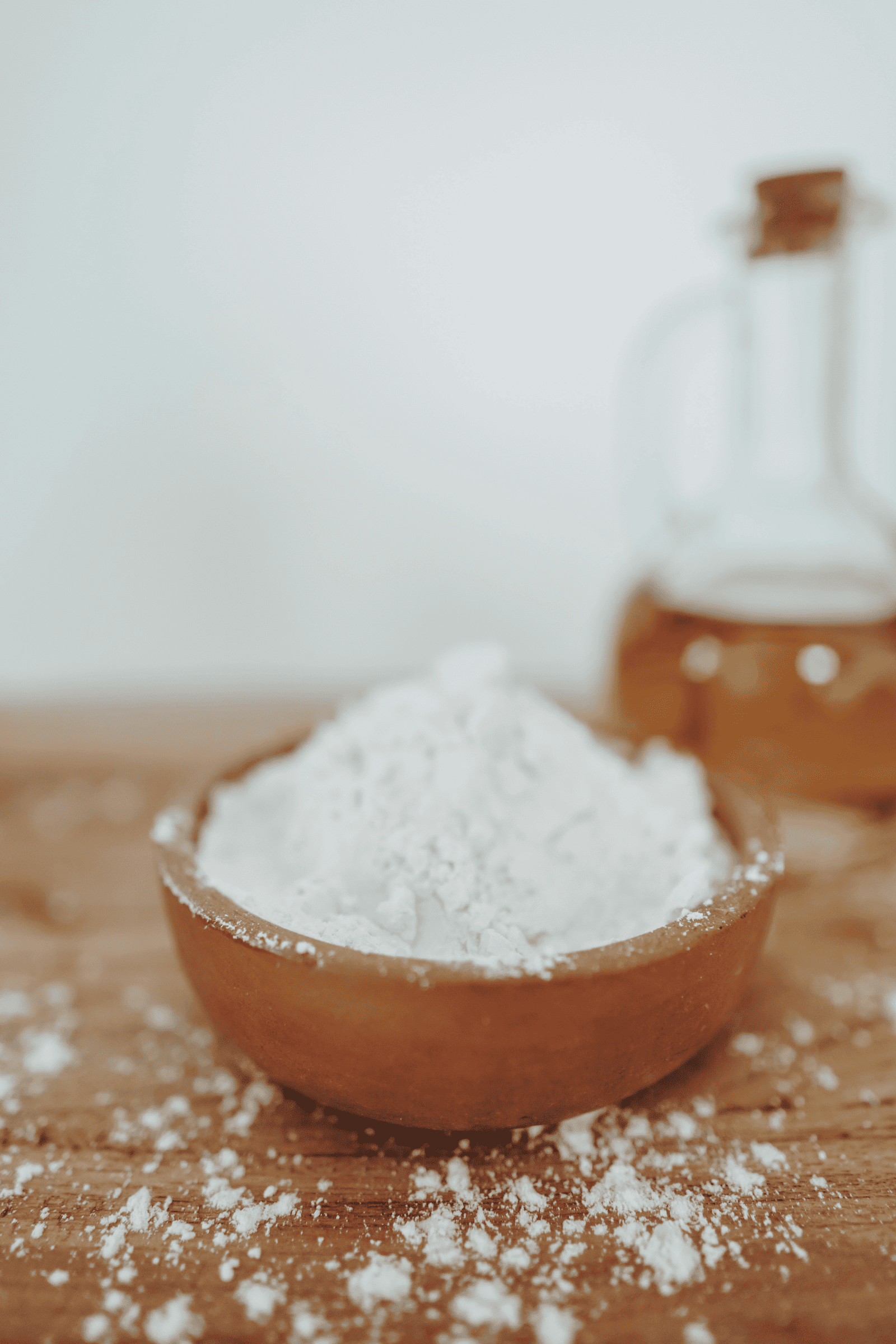
Protein content sits at the core of how flour behaves in baking. It directly influences gluten development, which determines the structure, texture, and overall success of a recipe. When bakers compare bread flour vs cake flour, protein becomes the defining factor in how each flour performs.
Flour contains two main proteins called glutenin and gliadin. When these proteins mix with water, they combine to form gluten. This process begins as soon as liquid touches the flour. Mixing and kneading strengthen this gluten network over time.
In the comparison of bread flour vs cake flour, bread flour contains a higher percentage of protein. This leads to strong gluten formation. The gluten network becomes elastic and durable. It stretches easily while holding its shape. This strength allows dough to trap gases produced during fermentation.
💡 Pro Tip:
If your cakes turn out dense, you are likely overmixing or using high-protein flour. Switch to cake flour and mix gently to keep the crumb soft.
Yeast releases carbon dioxide as it feeds on sugars in the dough. The gluten network captures these gases and expands. This expansion creates the airy structure inside bread. Without enough protein, the gas escapes and the dough collapses.
Cake flour behaves very differently due to its low protein content. It forms much less gluten during mixing. This limited gluten development keeps batters soft and fluid. The result is a tender and delicate crumb rather than a chewy texture.
Gluten strength affects more than just texture. It also impacts how dough handles during preparation. High-gluten dough feels elastic and slightly springy. Low-gluten batter feels smooth and pourable.
Mixing technique plays a major role in gluten development. Kneading strengthens gluten by aligning protein strands. This process suits bread dough, which needs structure and elasticity. On the other hand, gentle mixing works best for cakes. It prevents excess gluten from forming.
Texture and Structure in Baking
Texture and structure define how baked goods look, feel, and taste. These two elements work together, yet they serve different roles. Texture describes the mouthfeel, while structure determines how well a baked item holds its shape.
When comparing bread flour vs cake flour, texture and structure show the most noticeable differences. Bread flour creates a firm and chewy texture. Cake flour produces a soft and delicate crumb. These outcomes depend largely on gluten development and moisture balance.
Structure acts as the internal framework of baked goods. Bread requires a strong structure to support rising and expansion. The gluten network in bread flour provides this strength. It traps gases and keeps the loaf from collapsing during baking.
Cake structure works differently. Cakes need enough stability to hold their shape, but not too much. Excess structure can make cakes dense and heavy. Cake flour limits gluten formation, which helps maintain a light and tender consistency.
The crumb reveals a lot about texture and structure. Bread typically has an open crumb with visible air pockets. These pockets form when trapped gas expands during baking. Cake has a fine, even crumb with small air cells distributed throughout.
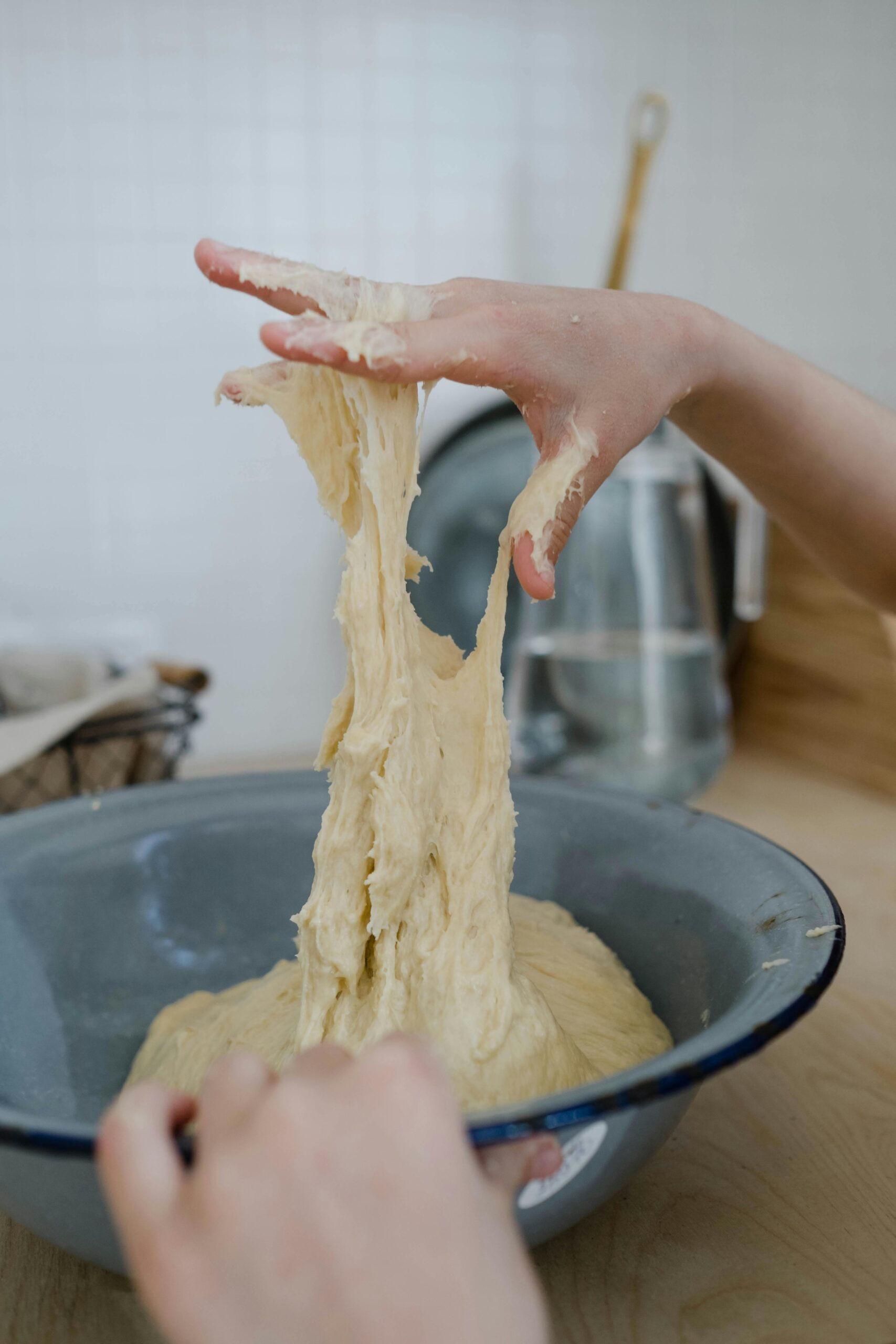
Moisture also plays a key role in texture. Bread flour absorbs more water, which leads to a slightly denser but chewy bite. Cake flour absorbs less liquid, which helps create a lighter and softer result.
Fat and sugar influence texture as well. Cakes often include higher amounts of both. Fat coats flour particles and reduces gluten formation. Sugar attracts moisture and keeps the crumb soft. These ingredients enhance the effects of cake flour.
Mixing methods impact final texture. Kneading strengthens gluten in bread dough. This creates elasticity and chewiness. Cake batters require gentle mixing to avoid toughness. Overmixing can ruin the delicate texture even with cake flour.
Baking time and temperature also shape texture. Bread bakes at higher temperatures to develop a crust. This crust contrasts with the soft interior. Cakes bake at moderate temperatures to ensure even cooking without drying out.
Cooling affects structure after baking. Bread continues to set as it cools. Cutting too early can ruin its structure. Cakes also need time to cool so the crumb can stabilize and hold together.
Understanding texture and structure helps bakers control outcomes. It allows you to adjust ingredients and techniques based on the result you want. Whether you prefer a chewy loaf or a soft cake, mastering these elements leads to better baking every time.
When to Use Bread Flour
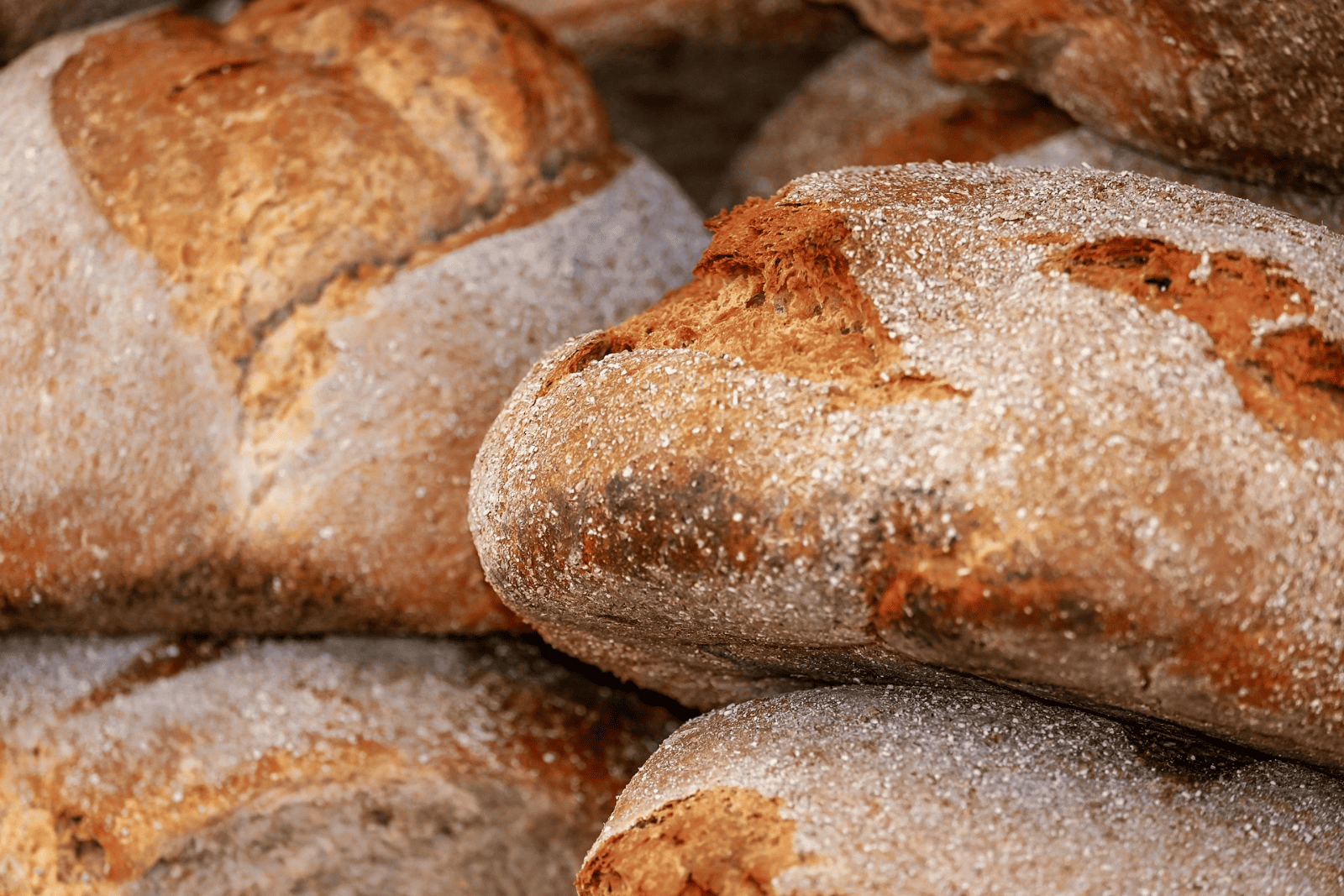
Bread flour works best in recipes that need strength, elasticity, and a well-developed structure. Its high protein content allows dough to stretch, trap gases, and hold its shape during baking. This makes it the preferred choice for many yeast-based recipes.
Use bread flour when making traditional yeast breads. It supports proper fermentation and helps dough rise effectively. The strong gluten network traps carbon dioxide, which creates a light and airy interior. At the same time, it maintains enough structure to prevent collapse.
Artisan breads benefit greatly from bread flour. Recipes like sourdough, rustic loaves, and country bread rely on strong gluten development. Bread flour helps create an open crumb with irregular air pockets. It also contributes to a crisp and chewy crust, which defines artisan baking.
🔥 Use Bread Flour When You Want:
- Chewy pizza crust
- Strong, airy bread
- Structured dough that holds shape
- Crispy crust with soft interior
Pizza dough performs especially well with bread flour. The dough stretches easily without tearing, which makes shaping much easier. After baking, the crust develops a satisfying chew with a slightly crisp exterior. This balance improves both texture and flavor.
Bagels require a dense and chewy consistency. Bread flour provides the strength needed to achieve this texture. It allows the dough to remain firm during boiling and baking. This process creates the classic glossy crust and chewy bite that bagels are known for.
Bread flour also works well for enriched doughs. Recipes like brioche, cinnamon rolls, and dinner rolls often include butter, sugar, and eggs. These ingredients soften the dough, but bread flour helps maintain enough structure. This balance keeps the final product soft while still holding its shape.
Long fermentation recipes benefit from bread flour as well. Dough that rests for extended periods needs strong gluten to remain stable. Bread flour maintains its structure during slow fermentation. This results in better flavor development and improved texture.
You can also use bread flour for laminated doughs like certain pastries. While not always required, it can add extra strength during rolling and folding. This helps prevent tearing and improves layering.
Bread flour performs well in high-hydration doughs. These doughs contain more water and can feel sticky. The higher protein content helps manage that moisture. It creates a dough that remains workable while still producing an open crumb.
If you want a chewy texture in baked goods, bread flour becomes a strong option. Some bakers even use it in cookies or pretzels for added bite. It changes the texture in noticeable ways, so it should match your desired outcome.
When to Use Cake Flour
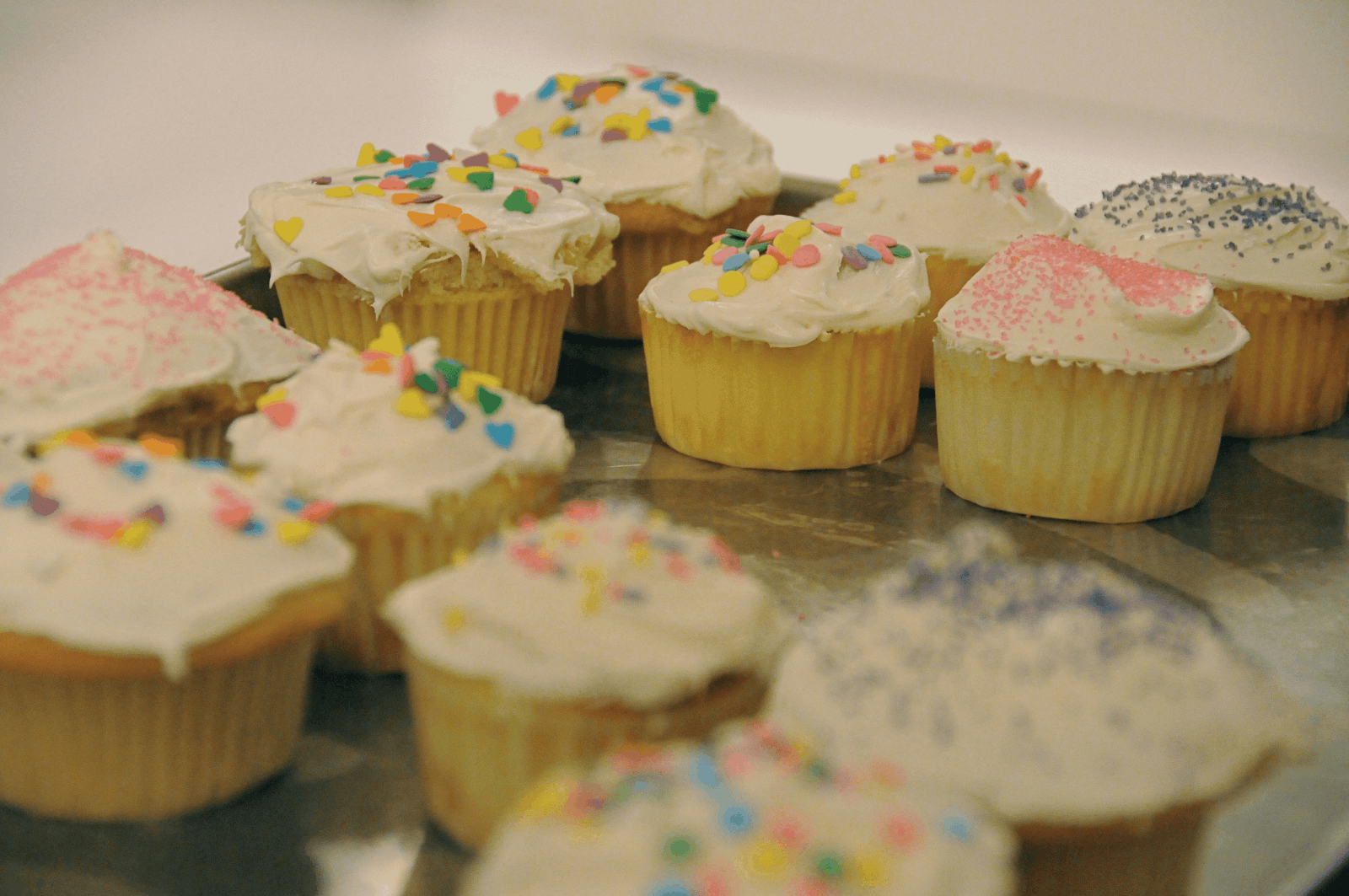
Cake flour works best in recipes that need softness, tenderness, and a light crumb. Its low protein content reduces gluten formation, which keeps baked goods delicate. This makes it ideal for desserts where texture matters as much as flavor.
Use cake flour when baking layer cakes. It helps create a fine, even crumb that slices cleanly. The structure stays soft, so each bite feels light and smooth. This quality works especially well in birthday cakes and celebration cakes.
Cupcakes also benefit from cake flour. It produces a fluffy texture that melts in the mouth. The batter stays light, and the final result feels airy rather than dense. This improves both taste and presentation.
Sponge cakes rely heavily on cake flour. These cakes depend on a delicate structure that traps air. Cake flour supports this by limiting gluten formation. It allows the batter to rise while staying soft and springy.
🍰 Use Cake Flour When You Want:
- Soft and fluffy cakes
- Light cupcakes
- Fine, delicate crumb
- Melt-in-your-mouth texture
Chiffon cakes and angel food cakes also use cake flour. These recipes require a very light texture. Cake flour helps maintain that airy structure without adding heaviness. The result is a soft and cloud-like dessert. Cake flour works well in recipes with high sugar content. Sugar weakens gluten and keeps baked goods soft. When combined with cake flour, it enhances tenderness even more. This balance creates a smooth and delicate texture.
Recipes with a high fat content also pair well with cake flour. Butter, oil, and other fats coat flour particles. This reduces gluten formation even further. The result is a moist and soft final product.
Use cake flour when making delicate batters. It blends smoothly and prevents overdevelopment of gluten. This is important for recipes that require gentle mixing. Overmixing can still cause toughness, even with cake flour.
Cake flour also works well for layered desserts and fine pastries. It supports a refined crumb that holds together without feeling heavy. This makes it a great choice for elegant baking. Avoid using cake flour in recipes that need strong structure. Bread, pizza dough, and bagels require more gluten strength. Cake flour cannot provide the support needed for these baked goods.
Choosing cake flour helps you achieve softness and precision. It allows you to create desserts with a light, delicate texture that stands out in both taste and appearance.
How to Make Cake Flour at Home
You can make a simple cake flour substitute at home using basic ingredients. This method works well when you do not have cake flour available. It also helps you control texture in delicate recipes.
Start with standard all-purpose flour. Measure one cup of flour accurately for the best result. Then remove two tablespoons from that cup. Replace those two tablespoons with two tablespoons of cornstarch. This step lowers the overall protein content.
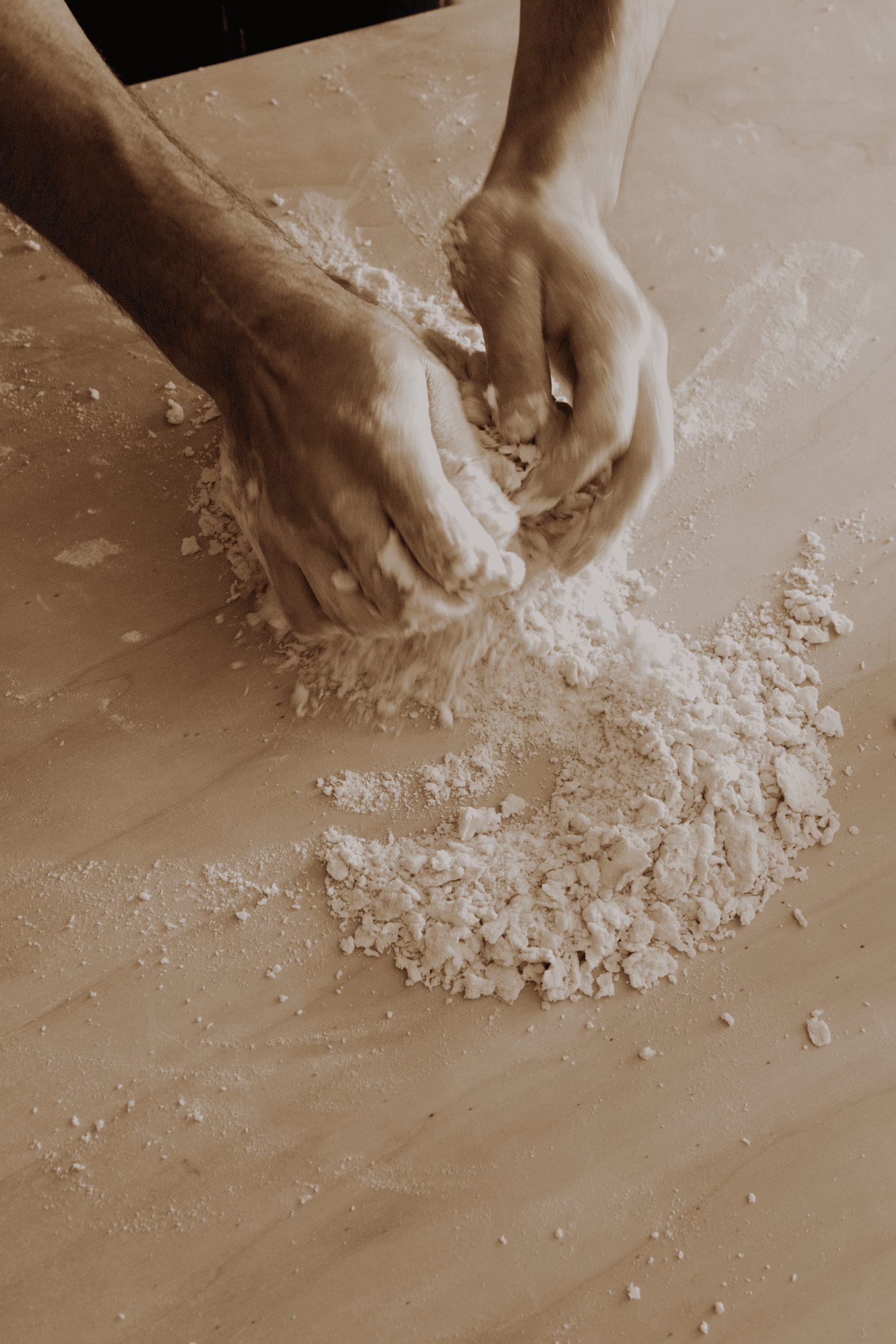
The reason this works comes down to protein balance. All-purpose flour contains more protein than cake flour. Cornstarch has no protein at all. When you mix the two, you reduce the total protein level in the blend. This creates a softer result closer to cake flour.
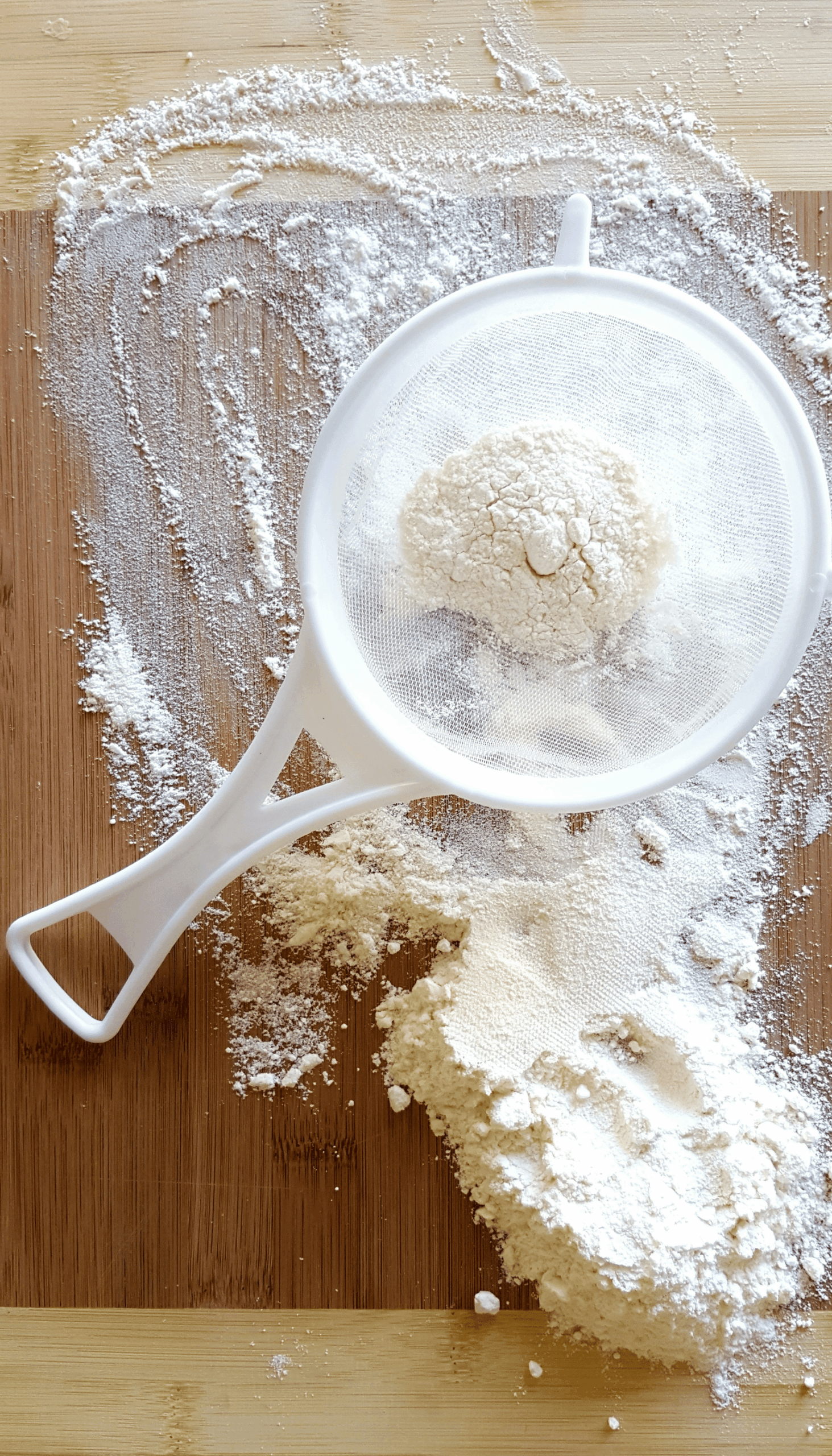
After combining the ingredients, sift the mixture several times. Sifting helps distribute the cornstarch evenly throughout the flour. It also adds air, which improves lightness in your batter. This step plays an important role in achieving a fine crumb.
You should sift at least two to three times for best results. Each pass through the sifter improves texture and removes small clumps. This ensures a smoother mixture that blends easily into your batter.
🛠️ Quick Tip:
Always sift your homemade cake flour at least twice. This step improves texture and prevents uneven mixing.
This homemade version works well in many cake recipes. It produces soft and tender baked goods with a light structure. While it may not match commercial cake flour exactly, it comes very close in performance.
You can scale this method for larger batches. Just keep the same ratio: two tablespoons of cornstarch per cup of flour. This keeps the protein level consistent across the mixture.
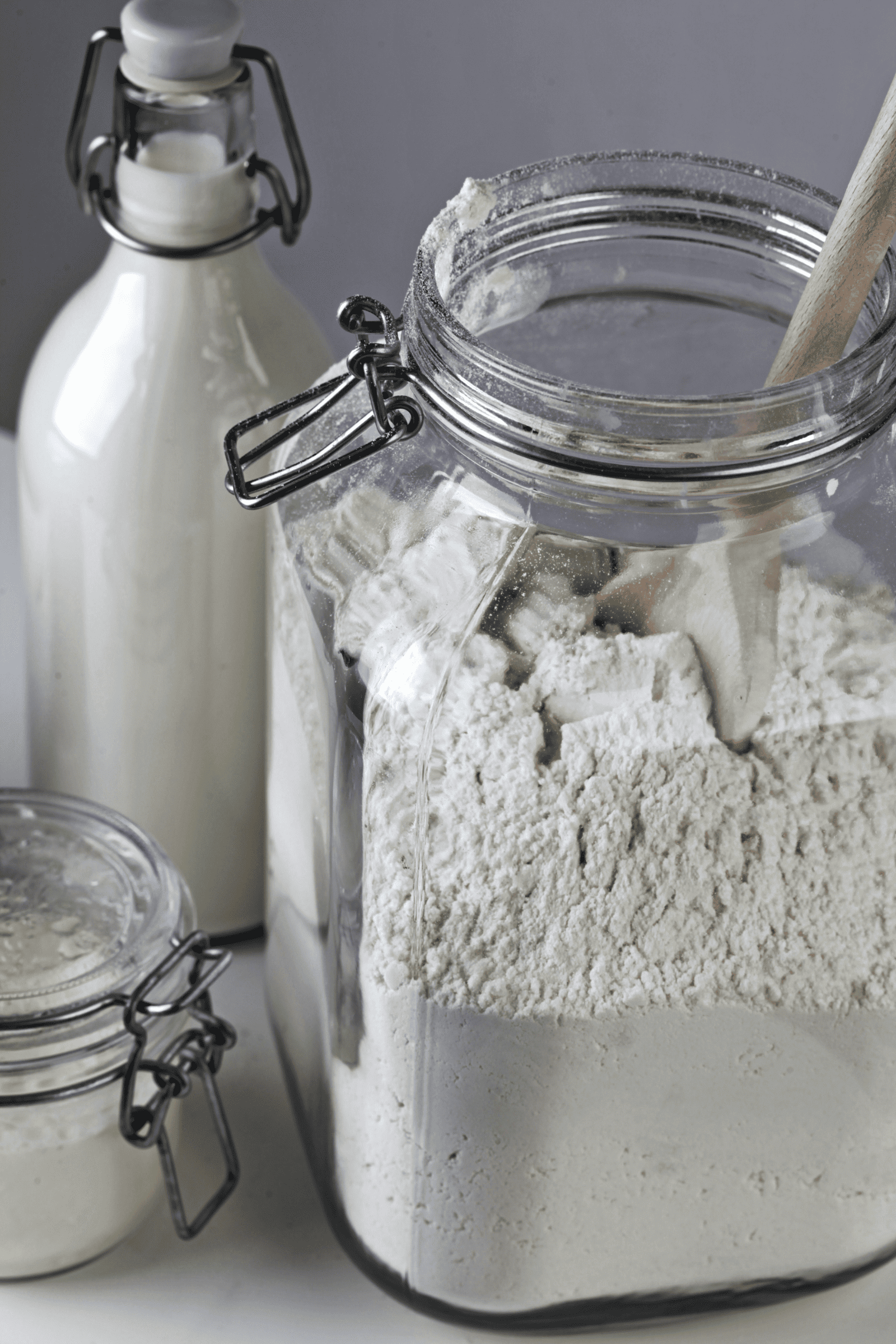
Store any unused homemade cake flour in an airtight container. Keep it in a cool, dry place. This helps maintain freshness and prevents moisture from affecting the mixture.
This method works especially well when you need a quick solution. It saves time and avoids unnecessary trips to the store. It also gives you flexibility when baking spontaneously.
Making cake flour at home gives you control over your baking. It allows you to adapt recipes while maintaining a soft and tender texture. With a few simple steps, you can achieve results very close to store-bought cake flour.
Nutritional Differences
Flour choice affects baking results more than nutrition, but small differences still exist. Bread flour and cake flour share a similar base of carbohydrates, with only minor variations in protein, fiber, and processing. In the comparison of bread flour vs cake flour, these differences do not create major health changes, but they do influence how each flour performs in recipes.
Bread flour contains more protein because millers design it for strength and structure. Cake flour contains less protein because it aims to produce soft and delicate textures. In bread flour vs cake flour, this protein difference plays the biggest role in both nutrition and baking behavior.
Cake flour often goes through a bleaching process. This process slightly alters its composition and improves baking performance. Bread flour usually remains unbleached, which keeps it closer to its natural state, further highlighting differences in bread flour vs cake flour.
The table below highlights the typical nutritional differences between bread flour and cake flour:
| Nutrient / Feature | Bread Flour | Cake Flour |
|---|---|---|
| Protein | Higher (about 12%–14%) | Lower (about 7%–9%) |
| Carbohydrates | High | High |
| Fiber | Slightly higher | Slightly lower |
| Gluten Formation | Strong | Weak |
| Processing | Usually unbleached | Often bleached |
| Texture in Baking | Chewy and dense | Soft and delicate |
| Water Absorption | Higher | Lower |
| Calories per 100g | Similar | Similar |
Both flours provide energy mainly through carbohydrates. They also contain small amounts of vitamins and minerals, especially if enriched. These nutrients may include iron and B vitamins, depending on the brand and country regulations.
Protein stands out as the most important nutritional difference. Bread flour contains more protein, which supports gluten formation and structure. Cake flour contains less protein, which helps create a softer and lighter texture.
Fiber content varies slightly due to milling differences. Bread flour may retain a bit more of the wheat grain. This can give it a small advantage in fiber, but the difference remains minimal.
Storage and Shelf Life
Proper storage keeps flour fresh, safe, and effective for baking. Both bread flour and cake flour can last a long time when stored correctly. However, their shelf life can vary slightly due to processing and protein content.
Flour can absorb moisture, odors, and even pests if left unprotected. This affects both quality and performance. Always store flour in airtight containers to prevent exposure to air and humidity. This simple step makes a big difference.
📦 Storage Tip:
Keep flour away from heat and sunlight. Even small temperature changes can affect freshness and baking performance.
Temperature also plays an important role. Cool environments slow down spoilage. Warm or humid conditions can shorten shelf life and encourage mold growth. Keeping flour in a stable environment ensures better results over time.
Cake flour often has a shorter shelf life than bread flour. This is partly due to its finer milling and bleaching process. Bread flour tends to stay stable longer because of its higher protein content and less processing.
You can store flour in different ways depending on how long you plan to keep it. Room temperature storage works for short-term use. Refrigeration and freezing extend freshness for longer periods.
The table below outlines key storage and shelf life differences:
| Storage Factor | Bread Flour | Cake Flour |
|---|---|---|
| Shelf Life (Unopened) | Up to 6–12 months | Up to 6–8 months |
| Shelf Life (Opened) | 3–6 months | 3–5 months |
| Best Storage Method | Airtight container at room temp or fridge | Airtight container, preferably cool storage |
| Freezer Storage | Excellent for long-term storage | Excellent for long-term storage |
| Sensitivity to Heat | Moderate | Higher sensitivity |
| Odor Absorption | Low to moderate | Moderate to high |
Always check flour before using it. Look for signs like a sour smell, discoloration, or clumping. These signs indicate that the flour may have gone bad. Fresh flour should smell neutral and feel dry.
Labeling containers with purchase dates can help you track freshness. This makes it easier to use older flour first and avoid waste.
Common Baking Mistakes to Avoid
Baking looks simple on the surface, but small mistakes can affect your results in a big way. Understanding these common errors helps you avoid frustration and achieve consistent outcomes. Many of these mistakes happen when working with different flours, especially when comparing bread flour vs cake flour.
❌ Using the wrong flour for the recipe
Using bread flour in a cake or cake flour in bread often leads to poor texture. Bread flour creates too much structure for cakes, making them dense. Cake flour lacks the strength needed for bread, which can cause weak structure and poor rise. Always match the flour to the recipe.
❌ Overmixing the batter or dough
Overmixing develops too much gluten. This makes baked goods tough and chewy in unwanted ways. Cakes become dense, and cookies may turn hard. Mix only until ingredients combine, especially when using cake flour.
❌ Undermeasuring or overmeasuring flour
Incorrect measurements lead to inconsistent results. Too much flour creates dry baked goods. Too little flour can make the structure weak. Use a kitchen scale for accuracy when possible.
❌ Skipping sifting when needed
Sifting helps break up clumps and adds air to flour. This is especially important when using cake flour. Skipping this step can lead to uneven mixing and a heavier texture.
❌ Ignoring recipe instructions
Each recipe is designed with specific ratios and techniques. Changing flour types or skipping steps can affect the final result. Follow instructions closely for best outcomes.
❌ Using flour past its shelf life
Old flour can develop off flavors and lose performance. This affects both taste and texture. Always check for freshness before using flour in baking.
❌ Not adjusting liquid ratios when substituting flours
Different flours absorb liquid at different rates. Bread flour absorbs more liquid than cake flour. If you substitute without adjusting, the batter or dough may feel too dry or too wet.
❌ Improper mixing technique
Using a heavy hand when mixing cake batter can create too much gluten. This leads to a tough final product. Gentle folding works better for delicate recipes.
❌ Baking at incorrect temperatures
Incorrect oven temperature can ruin structure. Too hot can cause the outside to bake too quickly while the inside remains raw. Too low can prevent proper rise. Always preheat your oven and use an oven thermometer if needed.
Avoiding these mistakes helps you get the most out of your ingredients. It also improves consistency and confidence in the kitchen. Understanding how flour behaves gives you more control over your baking results.
FAQs
Can I use bread flour instead of cake flour for cakes?
You can use bread flour, but it will change the texture. Bread flour creates more gluten, which can make cakes denser and slightly chewy. To improve results, mix gently and consider adding cornstarch to reduce protein content. Even then, the cake may not be as soft as one made with cake flour.
Can I use cake flour for bread recipes?
Cake flour does not perform well in most bread recipes. It lacks the protein needed for strong gluten formation. This leads to weak dough that does not rise properly. The final bread may turn out dense and fragile instead of airy and structured.
What is the main difference between bread flour and cake flour?
The main difference is protein content. Bread flour contains more protein, which creates strong gluten and chewy textures. Cake flour contains less protein, which limits gluten formation and creates soft, tender baked goods. This difference affects structure, texture, and overall baking results.
How can I make cake flour at home?
You can make cake flour using all-purpose flour and cornstarch. Remove two tablespoons from one cup of flour and replace them with cornstarch. Sift the mixture several times to ensure even blending. This lowers the protein content and helps create a softer texture for cakes.
Does flour type really affect baking results?
Yes, flour type plays a major role in baking outcomes. Protein levels affect gluten formation, which impacts texture and structure. Using the wrong flour can lead to dense cakes or weak bread. Choosing the right flour helps achieve the intended result in each recipe.
Is bread flour healthier than cake flour?
Bread flour contains slightly more protein, but the nutritional difference is small. Both flours mainly provide carbohydrates and similar calorie levels. The choice between them depends more on baking needs than health benefits. Whole grain flours offer more nutrients if nutrition is your focus.
Can I substitute all-purpose flour for both types?
All-purpose flour can work as a middle-ground substitute. It has moderate protein content, so it can be used for both bread and cakes. However, it may not deliver the same chewiness as bread flour or the same softness as cake flour. Results will vary slightly.
Why does cake flour create a softer texture?
Cake flour contains less protein, which limits gluten formation. Less gluten means the structure remains light and tender. Its fine texture also helps create a smooth batter. These factors combine to produce soft cakes with a delicate crumb.
Why is bread flour better for yeast dough?
Bread flour supports strong gluten development, which helps trap gases released by yeast. This allows the dough to rise properly and maintain structure. The result is a light, airy interior with a chewy texture that works well for bread and pizza.
How should I store bread flour and cake flour?
Store both flours in airtight containers in a cool, dry place. This prevents moisture and pests from affecting quality. For longer storage, you can refrigerate or freeze them. Always check for off smells or clumping before use to ensure freshness.
Can I mix bread flour and cake flour together?
Yes, you can mix them to create a balanced flour blend. This approach allows you to adjust protein levels based on your recipe. It can work well for baked goods that need moderate structure and softness. However, results may require some experimentation.
Does sifting flour make a difference?
Sifting improves texture and consistency, especially for cake flour. It removes lumps and adds air to the flour. This helps create a lighter batter and a finer crumb. While not always required, it can improve results in delicate recipes like cakes and pastries.
Final Thoughts
Choosing the right flour can completely change your baking results. When you understand the difference between bread flour vs cake flour, you gain control over texture, structure, and overall quality. Bread flour gives strength and chewiness. Cake flour delivers softness and delicacy. Each one plays a specific role, and using the correct type leads to better outcomes.
Baking becomes more predictable when you match flour to the recipe. A well-chosen flour improves rise, crumb, and mouthfeel. It also helps you avoid common problems like dense cakes or weak bread. Small adjustments in flour choice can create big improvements in your final product.
Experimentation can also help you grow as a baker. Once you understand how each flour behaves, you can begin to adjust recipes with confidence. You can tweak hydration, mixing methods, and ingredient balance. These changes allow you to customize recipes to suit your taste and style.
At the same time, it helps to respect the role of each flour. Bread flour performs best in structured, yeast-based recipes. Cake flour excels in light and delicate baked goods. Trying to force one flour to do the job of another can lead to inconsistent results. Knowing when to use each one saves time and effort.
For bakers who want deeper knowledge, continuing to explore topics like protein content, gluten development, and hydration can improve your skills even further. These factors all work together to shape your results in the kitchen.
If you want to explore more about how flour choice impacts bread specifically, you can revisit The Best Flour for Bread: A Complete Guide. It offers additional insights that complement what you’ve learned here.
Baking is both a science and an art. Understanding your ingredients gives you a strong foundation. With the right flour and the right technique, you can create baked goods that look, taste, and feel exactly the way you want.
Amazon and the Amazon logo are trademarks of Amazon.com, Inc, or its affiliates.